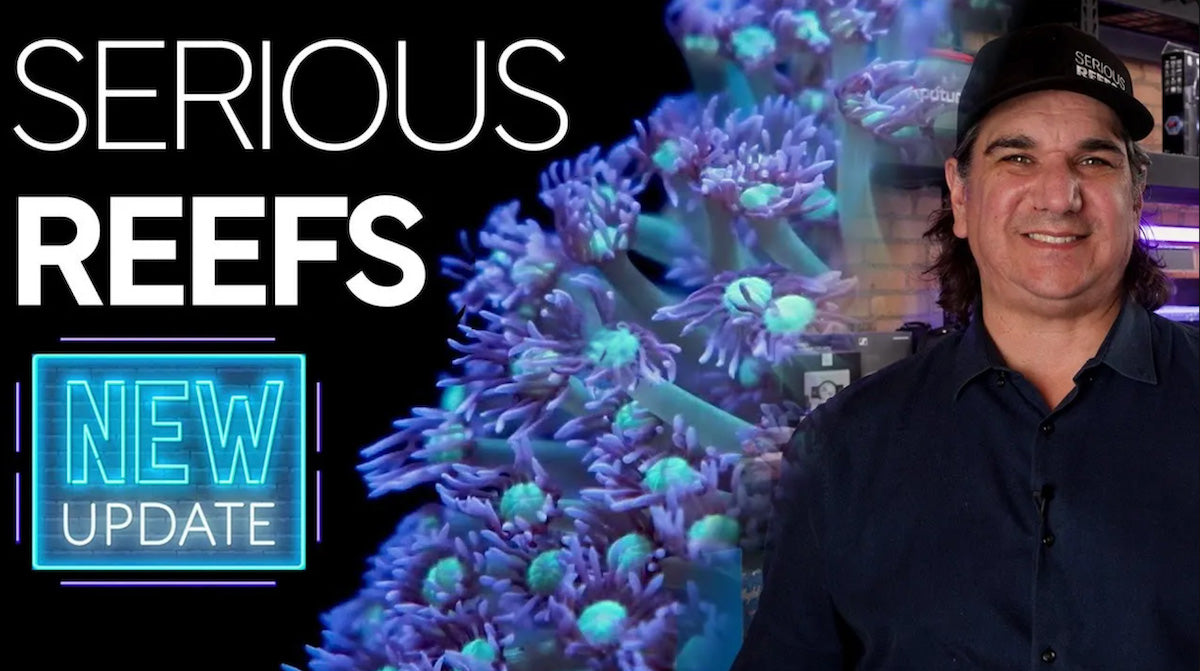

Whether you’re looking to add a classic Hammer or Frogspawn to your reef, understanding the "Euphyllia Equation" is the secret to a thriving tank. At World Wide Corals, we’ve spent 20+ years refining how these flowy favorites are kept. Here is the breakdown of how to ensure your new addition doesn't just survive, but dominates your rockwork.
1. The "Real Estate" Rule: Torches vs. The Rest
Not all Euphyllia play well together. While you can often let Hammers and Frogspawns touch in a "bouquet" style, Torches are the aggressive outliers of the family.
- The Sting: Torches have longer, more potent "sweeper" tentacles that can reach out 3"+ to sting and kill neighboring corals.
- Starter Tip: If you are a new hobbyist, start with a Frogspawn or Hammer; they are generally more forgiving in mixed reef placements.
2. Flow & Light: The Lower Reef Slope Strategy
In the wild, these corals inhabit lower reef slopes and turbid waters. Recreating this at home means avoiding the "high energy" environment favored by Acropora.
- Flow: Direct flow is a coral-killer. If the water hits the skeleton too hard, it can shred the delicate tissue against the sharp internal septa. Aim for a gentle "hustle" where the tentacles move rhythmically but aren't being whipped around.
- Light: Euphyllia are famously successful in lower light. If your Torch is looking pale or retracted, try moving it down.
- Nutrients: Don't chase "zero" numbers. Maintaining measurable nitrates and phosphates is essential for that deep, vibrant Indo Gold coloration.
3. The Health Check: Look Under the Hood
When buying or troubleshooting a coral, the most important indicator is the white tissue on the underside of the head.
- Healthy: Look for thick, robust tissue extending well down the skeleton.
- Warning: If the tissue is "high" or thin near the crown, the coral is stressed and at risk of peeling back or detaching.
4. Troubleshooting Like a Pro
Corals communicate through their appearance. If your coral isn't opening:
- Move it once: Relocate it to lower light and lower flow.
- Wait a week: Corals need consistency. Don't change multiple things at once.
- Watch for Inflation: Even if it stays pale, if it inflates bigger in the new spot, you've found a better home for it. The color will return once the coral feels safe.