

Description
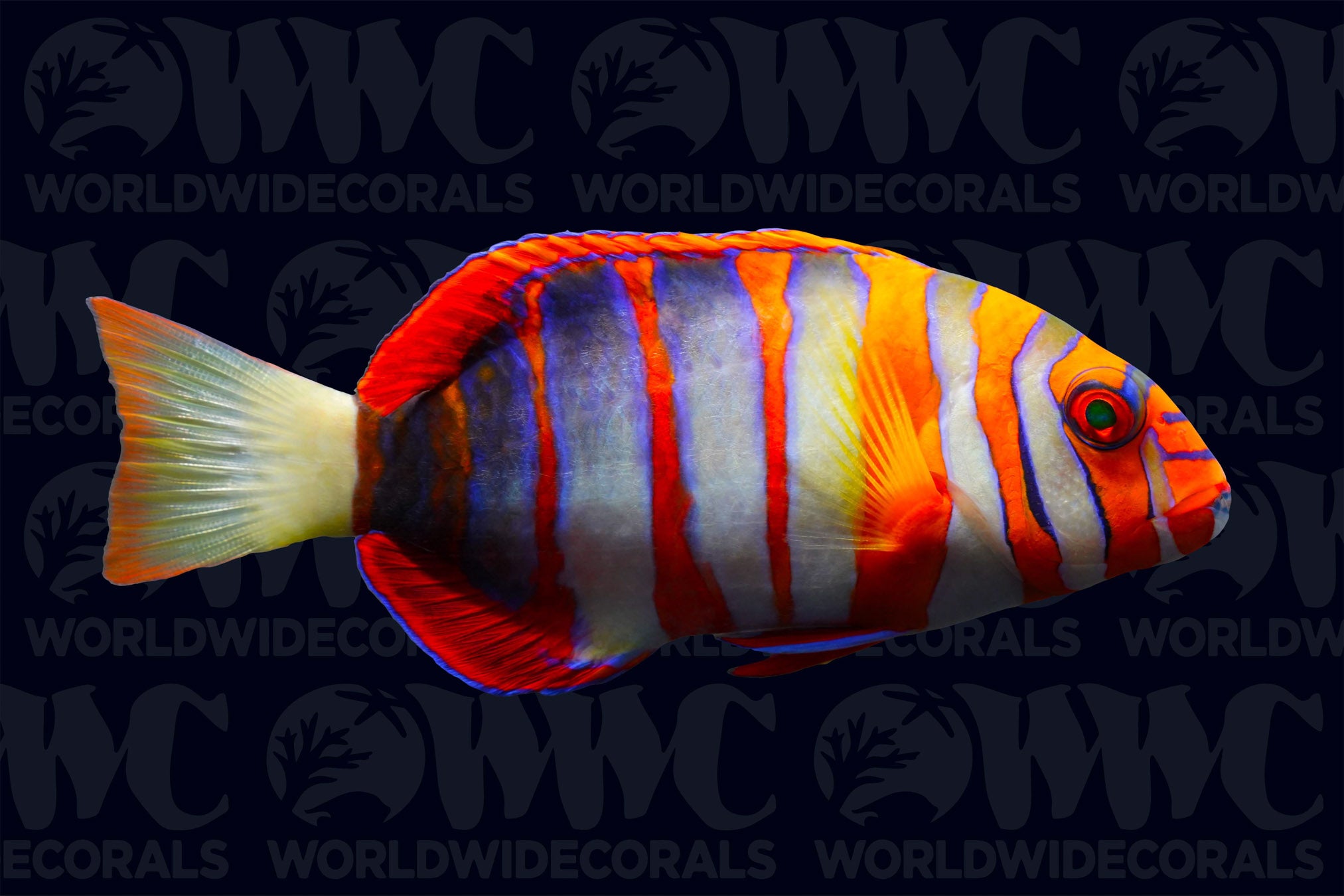
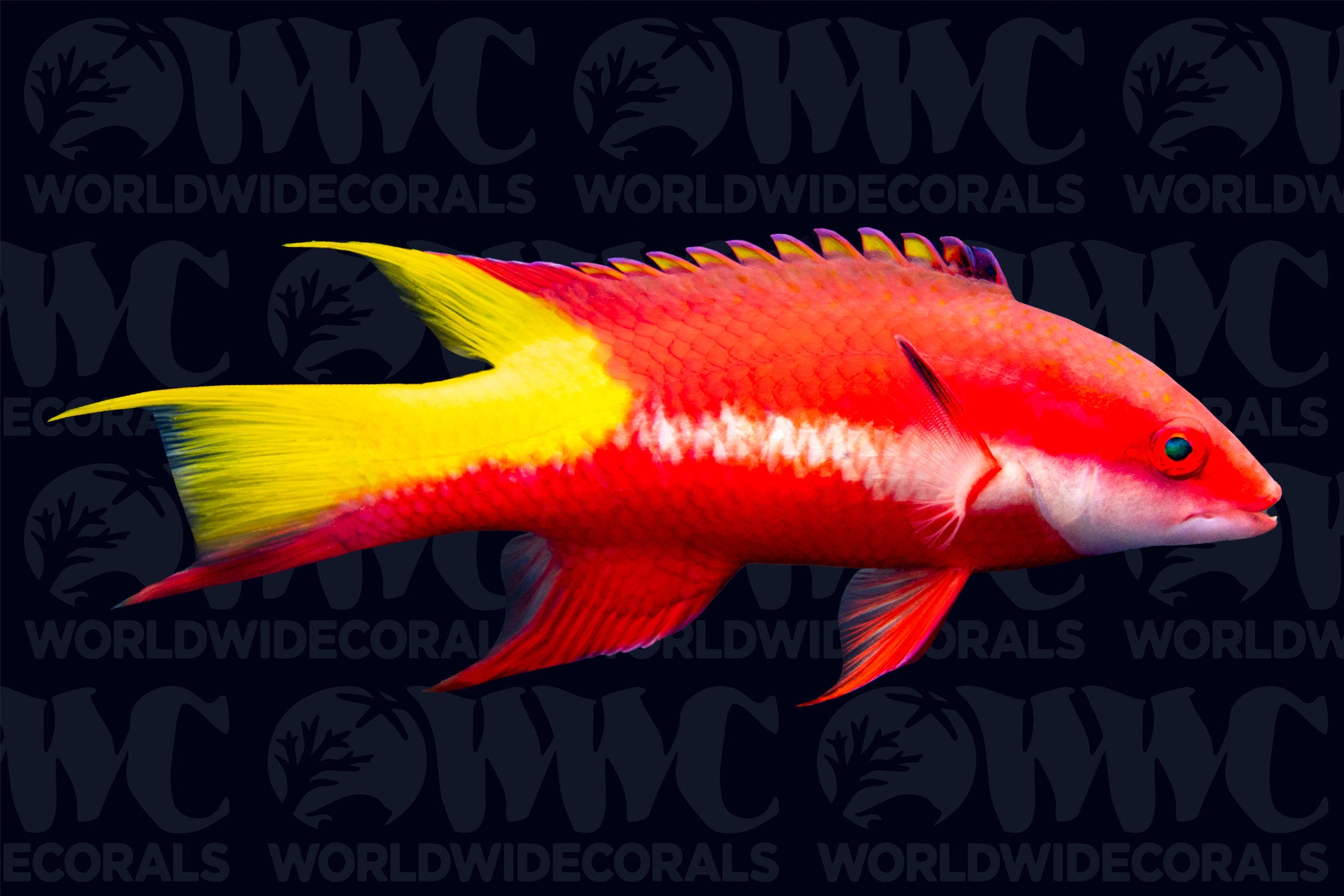
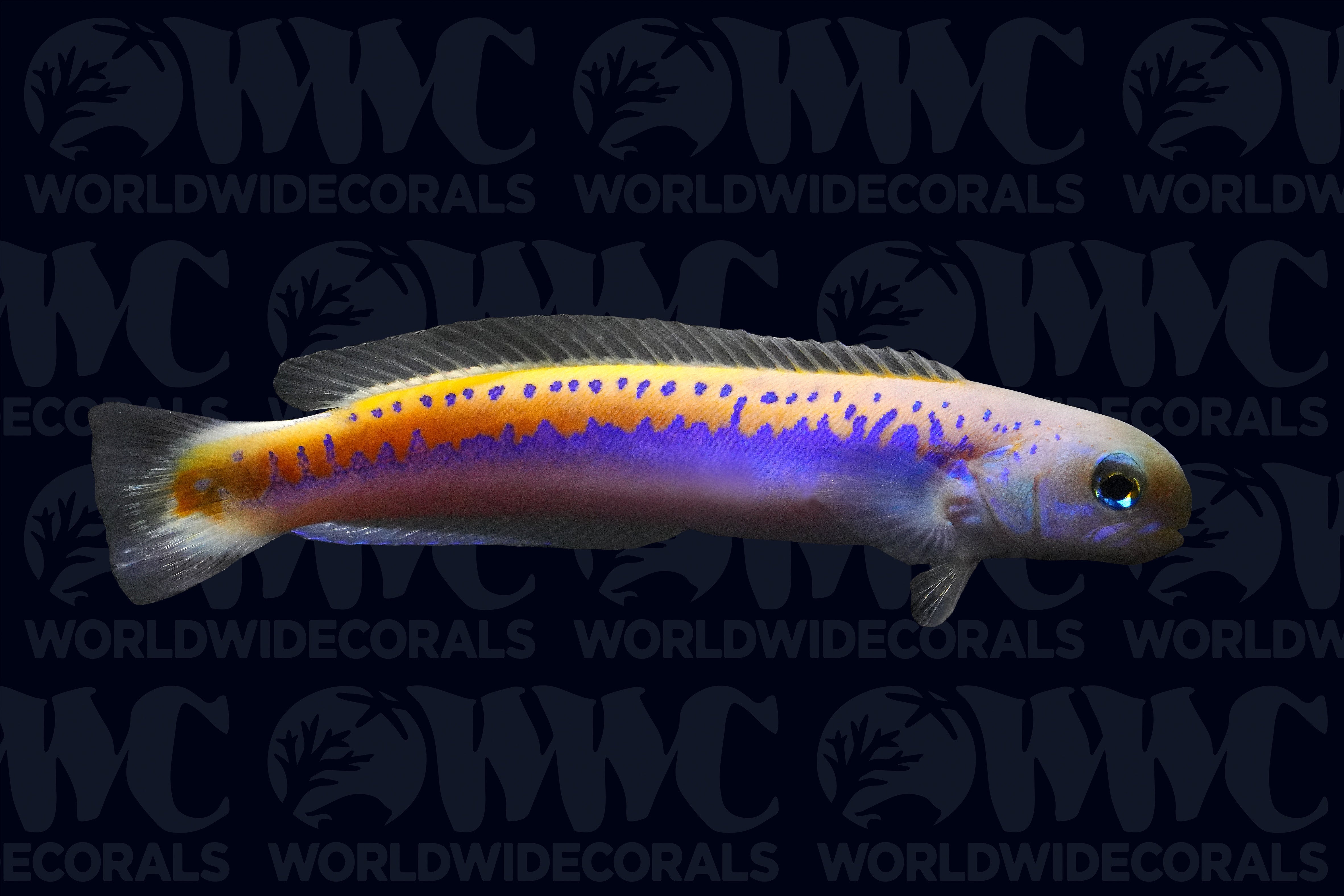
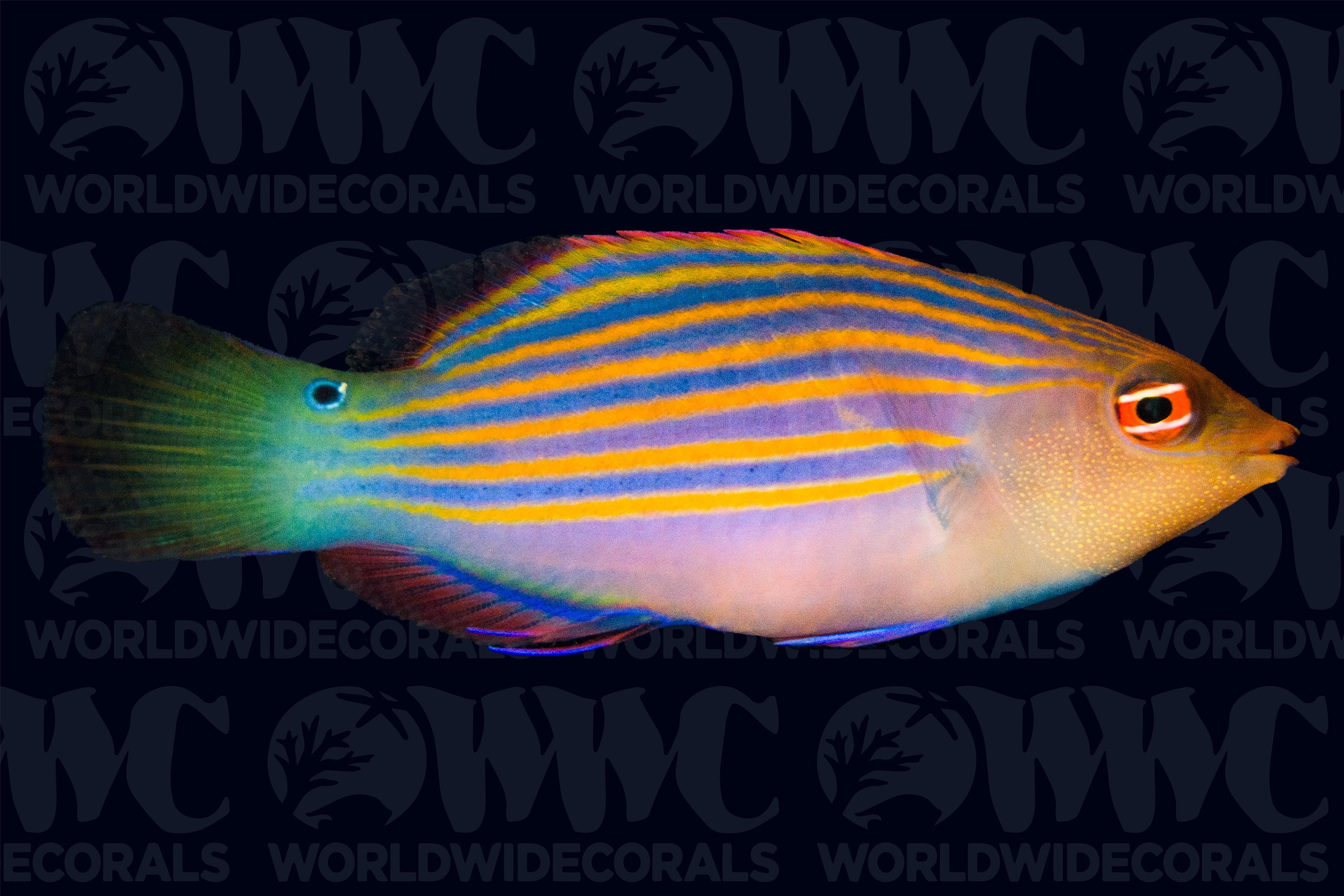
Choerodon fasciatus
Wrasses in this genus are generally known for being reef safe with caution as they will not bother with corals, however, they will snack on other invertebrates. The Harlequin Tusk has a mean appearance with their fangs, but are considered peaceful. They can potentially be bullied by other more aggressive tank mates. Since Harlequins generally do not eat corals, they can be added to reef aquariums. On the other hand, they will not hesitate to eat a cleanup crew, so be prepared to replace snails, crabs and even urchins more frequently. They reach a max size of about 11 inches. Reports of this fish getting up to 24 inches in captivity are erroneous. Even with this relatively small adult size, they are still harvested as a food fish around the world. They eat a wide variety of inverts like snails, crabs and bivalves; larger fish will eat urchins and smaller fish. Feed a varied diet, a few times a day as they are very active, and frequent meals will help curb their appetite for items you don't wish them to eat. The Harlequin Tusk inhabit seaward reefs in the Western Pacific up to 35 meters deep. Juveniles are generally found singly in the wild. Adults form distinct pairs during spawning, which happens at dusk.
Wrasses in this genus are generally known for being reef safe with caution as they will not bother with corals, however, they will snack on other invertebrates. The Harlequin Tusk has a mean appearance with their fangs, but are considered peaceful. They can potentially be bullied by other more aggressive tank mates. Since Harlequins generally do not eat corals, they can be added to reef aquariums. On the other hand, they will not hesitate to eat a cleanup crew, so be prepared to replace snails, crabs and even urchins more frequently. They reach a max size of about 11 inches. Reports of this fish getting up to 24 inches in captivity are erroneous. Even with this relatively small adult size, they are still harvested as a food fish around the world. They eat a wide variety of inverts like snails, crabs and bivalves; larger fish will eat urchins and smaller fish. Feed a varied diet, a few times a day as they are very active, and frequent meals will help curb their appetite for items you don't wish them to eat. The Harlequin Tusk inhabit seaward reefs in the Western Pacific up to 35 meters deep. Juveniles are generally found singly in the wild. Adults form distinct pairs during spawning, which happens at dusk.
3 DAY GUARANTEE | Hassle Free | 100% Satisfaction | Online Orders Only









Fish Food

New Life Spectrum AlgaeMAX Regular Pellet 300g.
Sale price$21.99

New Life Spectrum AlgaeMAX Regular Pellet 150g
Sale price$13.99

Vitalis Nutrition Algae Soft Pellets 4.94oz - 1mm
Sale price$20.49

New Life Spectrum Marine Regular Pellets 300g.
Sale price$18.99

Vitalis Nutrition Marine Soft Pellets 4.94oz - 1mm
Sale price$18.49


WWC Green Seaweed
Sale priceFrom $7.69
Regular price$10.99

Benepets LPS Benepellet Medium 2.5mm - 2.7oz
Sale price$29.99

Benepets REEF Benepellet Small 1.7mm - 1.3oz
Sale price$19.99

Benepets REEF Benepellet Medium 2.5mm - 2.7oz
Sale price$29.99

PE Mysis Pellets Saltwater Fish Food 2mm/4oz
Sale price$15.99

Benepets LPS Benepellet Small 1.7mm - 1.3oz
Sale price$17.99

PE Mysis Pellets Saltwater Fish Food 1mm/2oz
Sale price$8.99